
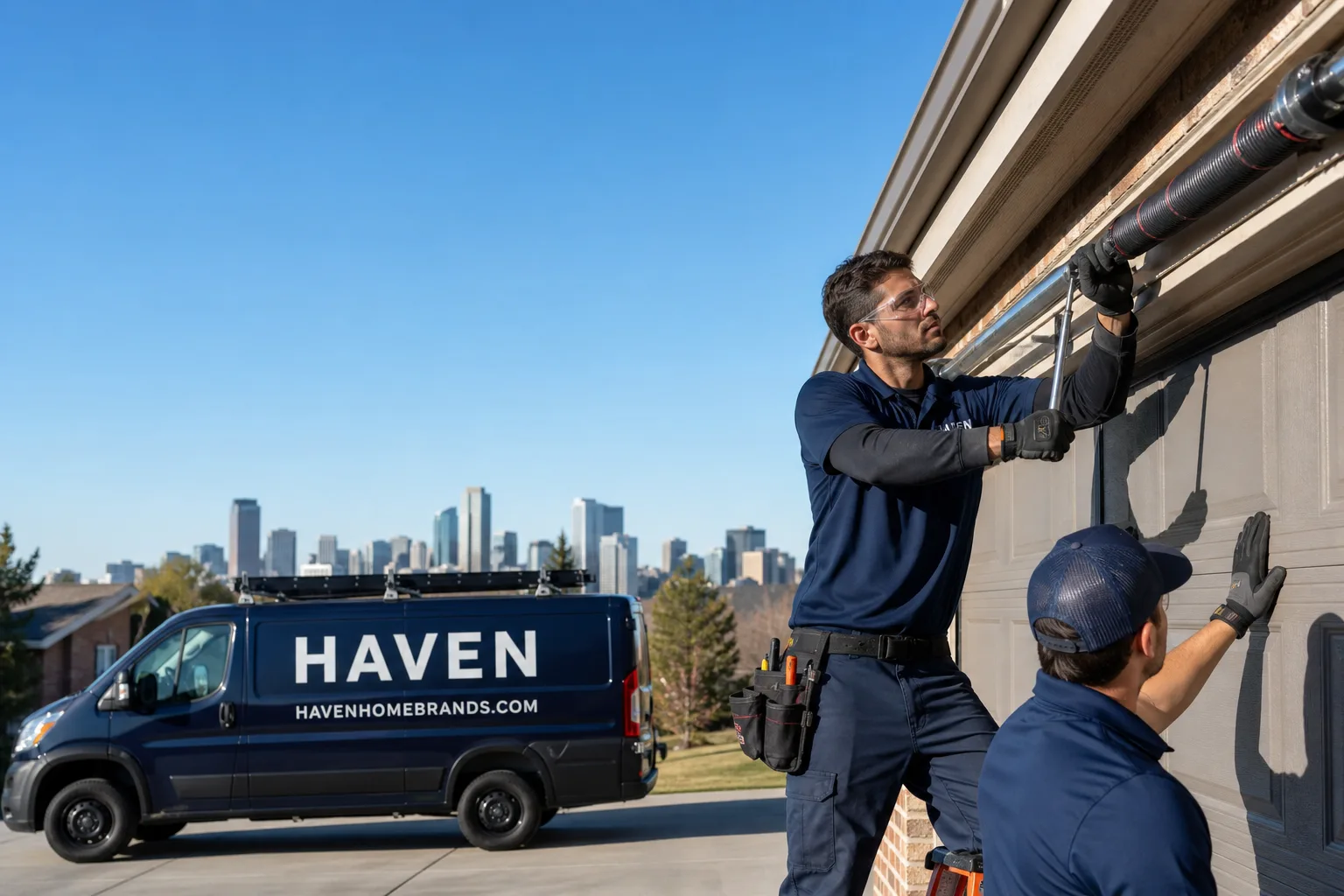
Trusted ADU for Denver Homeowners
An accessory dwelling unit changes how a Denver property works. It adds a rentable unit, a home office, or a place for aging parents, all within the same lot lines you already own. But the gap between a rough idea and a finished, permitted ADU is where most projects stall. Denver’s zoning code, setbacks, height limits, and the 2010 ADU ordinance updates all affect what can actually be built on your specific parcel.
Haven has been holding home-service brands to one published standard since 1998, and our ADU brand in Denver carries that same contract of transparency. The price goes in writing before work starts, the crew’s license number appears on the page, and you get photographic evidence of what was found at every visit. For a free ADU consultation in Denver, call (970) 725-6025. A live person answers, around the clock.
What Our ADU Service Includes
Building or modifying an ADU in Denver is not one job. It is a sequence of distinct trades, each with its own permitting trigger and inspection point. We break the work into the pieces below so you can see exactly what is proposed, what it costs, and what each step changes about the structure.
Foundation and Site Work
Detached ADUs in Denver typically sit on a crawl space or slab foundation, and the soil in this region, with its expansive clay content, demands specific compaction and drainage practices to prevent heave and cracking. We evaluate the site’s grade, existing utilities, and the location of the sewer lateral before any excavation begins. The written scope includes the foundation type, the frost depth, and what the site prep will require so the price reflects Denver’s actual ground conditions, not a generic national template.
Framing and Structural Work
Denver’s snow load requirements and wind exposure ratings are different from the Front Range suburbs at higher elevation, and the framing package must reflect the specific site’s load path. We frame ADUs to the same structural code that governs single-family homes in Denver, including braced wall panels, hold-downs, and engineered connections where the plan calls for them. Our framing crews work from stamped, permit-approved drawings, and every inspection point is documented with photos that go into your project file.
Mechanical, Electrical, and Plumbing Rough-In
An ADU in Denver needs its own heating source, electrical panel schedule or subpanel, and plumbing runs that tie into the main or a separate service. We coordinate the rough-in inspection so the walls are open when the inspector arrives, and we photograph every line, junction, and connection before insulation covers it. Clause 4 of the Haven Standard applies here: you see what was installed inside the wall before it disappears behind drywall.
Exterior Envelope: Siding, Roofing, Windows, and Doors
Denver gets intense UV exposure at altitude, freeze-thaw cycles through winter, and occasional hailstorms that punish cheap building paper and thin siding. We spec exterior materials for the local climate: proper house wrap, ice and water shield at the eaves, and window flashing details that hold up through a Denver spring thaw. The window and door brand options are named in the estimate, and the product warranty terms are provided before you commit.
Interior Finishes: Drywall, Flooring, Trim, and Paint
The finish phase is where deadlines commonly slip. We sequence the work so drywall, priming, flooring, and trim move in a specific order that keeps moisture out and lets each material reach the manufacturer’s specified drying or curing point. You choose the finish materials from a defined allowance that is written into the contract, which prevents the finish stage from becoming an open-ended expense at the end of the project.
Site Utilities and Tie-In to the Main Structure
Denver’s ADU rules generally require the unit to be served by the primary residence’s water and sewer service unless a separate tap is approved. We pull the Denver Water and Denver Wastewater Management requirements for your address before we quote the tie-in work, because the distance from the main to the ADU site drives the cost more than almost any other variable. The excavation, the tap, and the restoration of your yard are all itemized in the written price.
What happens when you call
- 1
A real person answersNo phone trees - you reach a local pro.
- 2
You get an upfront price rangeHonest numbers before anyone is dispatched.
- 3
A background-checked tech heads outLicensed & insured, dispatched right away.
- 4
You approve before work beginsNothing starts until you say go.
Brands We Service for ADU

We install and service window and door packages from Raynor and Pella, two brands that perform consistently in Denver’s high-altitude sun and cold winters. Our crews have installed hundreds of Raynor door units in accessory structures across the Front Range, and we stock the common hardware and weatherstripping for their residential lines. Pella’s wood and fiberglass window lines hold their seals well in Denver’s dry climate, and we are experienced with their installation requirements and warranty paperwork.
LiftMaster and Chamberlain openers show up in most Denver ADU garage integrations, and we carry the parts that fail first: logic boards, limit switches, and the safety sensor kits that Denver’s code requires on any door over a garage bay. Whether your ADU calls for a Raynor, Pella, LiftMaster, or Chamberlain component, or an entirely different make, the specification is confirmed in writing before the order is placed.
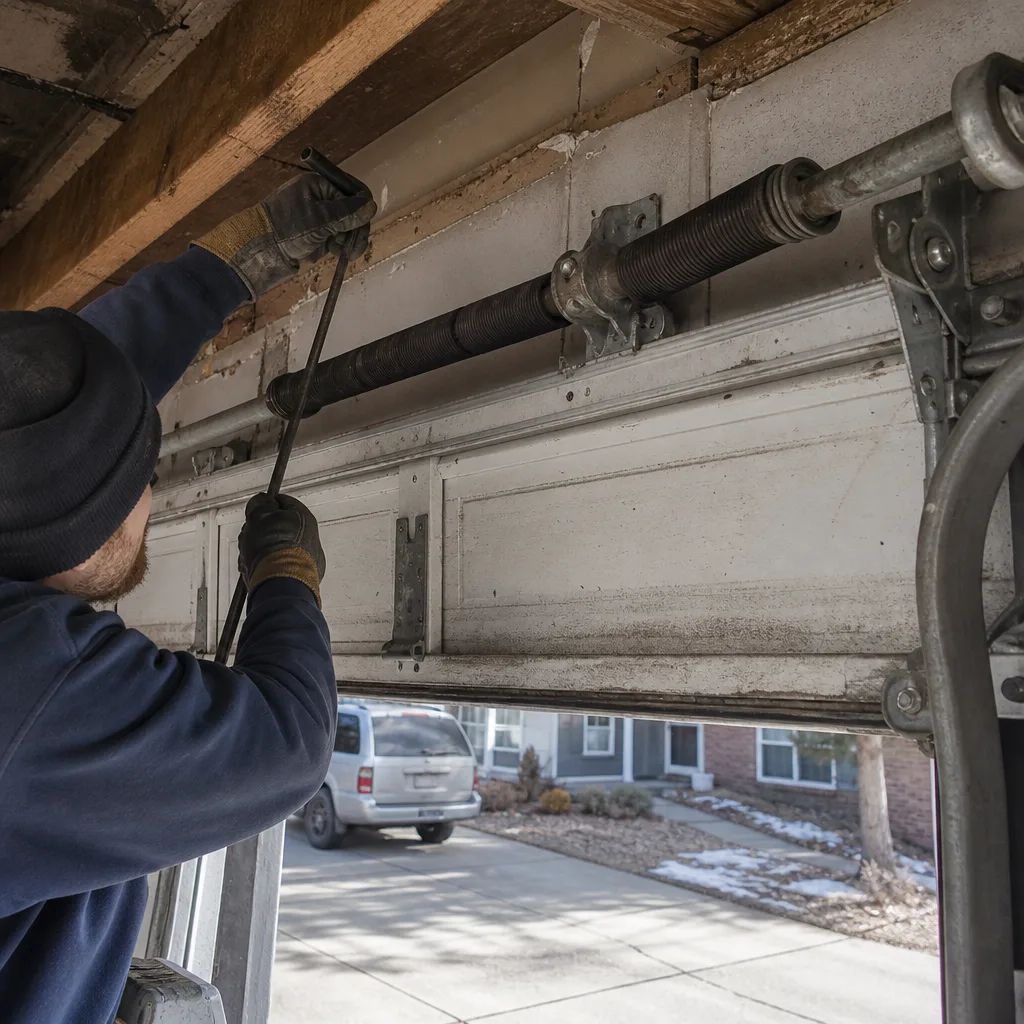 Before
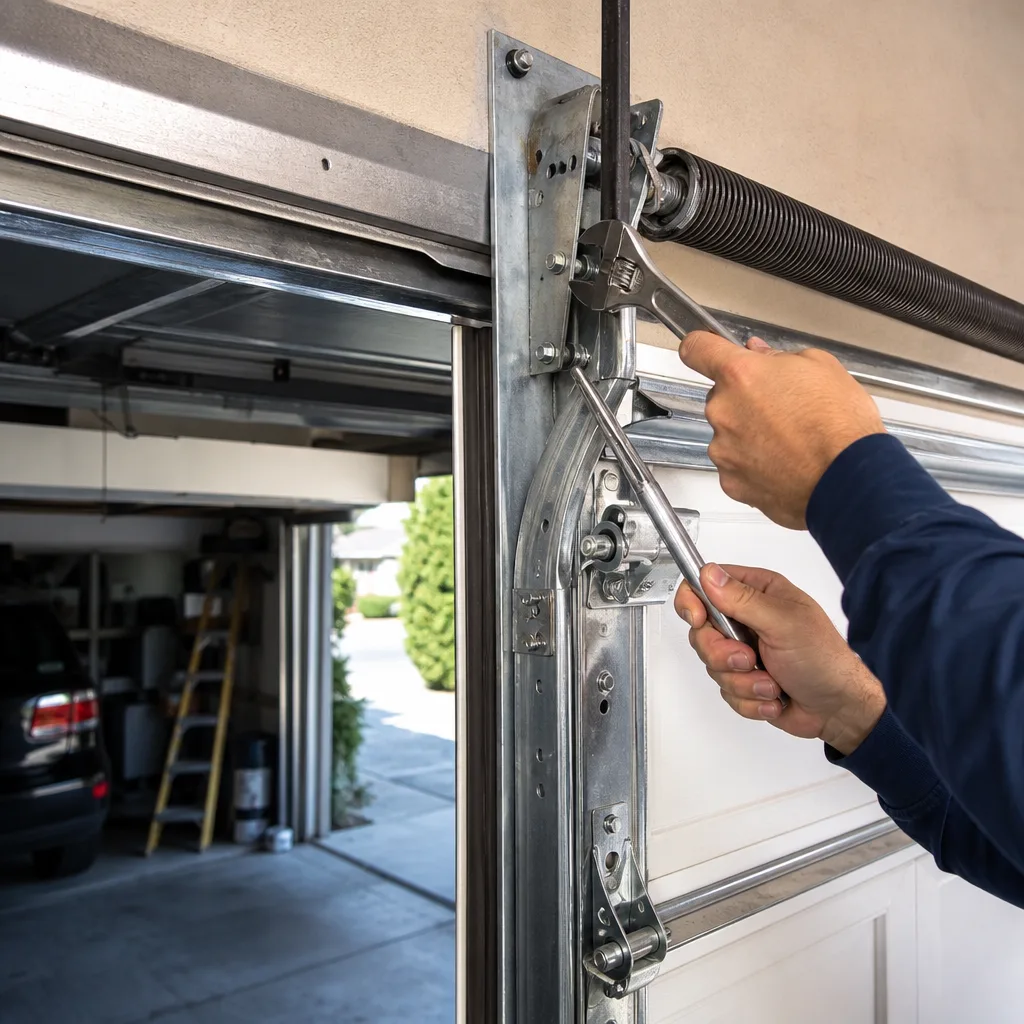 After
AfterSigns You Need ADU Right Now
- You have a finished basement or garage sitting empty while Denver rents climb. A permitted ADU turns underused square footage into income or housing for family at a cost per square foot well below a new home purchase in the same neighborhood. Denver’s rental demand in neighborhoods like Athmar Park, West Colfax, and Montclair has held strong through every cycle.
- A parent or adult child needs to live near you, but not in the same room plan. An ADU gives them a door of their own, a kitchen, and a bathroom while keeping you on the same property. The alternative, paying Denver market rent for a separate apartment, puts the same money into someone else’s mortgage.
- Your lot is zoned for a second unit under Denver’s ADU rules, and you are leaving that value unrealized. Denver allows ADUs in many single-unit residential zones, and the entitlement is part of what you bought when you purchased the property. Even if you are not ready to build this year, a quick parcel check tells you what is possible, and our consultation includes that review for free.
- You want to stay in your neighborhood but the house no longer fits your budget or circumstances. An ADU can be rented out to cover part of the mortgage, or it can shrink your own living footprint while the main house is leased. Homeowners in areas like Villa Park and Barnum have used this structure to hold onto the block they already know.
- Denver’s appraisal market rewards finished ADU square footage. Appraisers in Denver typically value permitted ADU space at a rate close to the main dwelling, not at garage or unfinished basement rates. That is equity you can access now, not a future project you keep postponing.
Our ADU Process - Step by Step
- 1
Parcel and zoning review. Before any design conversation, we pull your Denver zoning designation, the ADU-specific development standards for your zone district, and your parcel’s utility service points. This tells us your setbacks, height cap, lot coverage limit, and whether the ADU will be attached, detached, or a conversion. You get a written summary of what your specific lot allows, not a generic feasibility claim.
- 2
Written scope and price range. We produce a line-item scope that names the foundation type, the exterior materials, the mechanical system, and the finish allowances. The price range is written in dollars, and Clause 1 of the Haven Standard requires it to be delivered before any agreement is signed. There is no “call for a quote” step; the numbers are in the document.
- 3
Permitting and documentation. Denver’s permitting process requires stamped drawings, energy code compliance forms, and sometimes a zoning permit or board of adjustment appearance. Our team assembles the package, files it, and tracks the review comments. The license number of the assigned professional appears on the page with the submission records, consistent with Clause 3 of the Haven Standard.
- 4
Construction with photographic evidence. Every phase from excavation to final paint is documented with photos that are attached to the project file. You see what was framed, what was waterproofed, what went inside the walls, and what the inspector approved. If something is not right, the 365-Day Done Right Promise requires it to be made right, and the photo record makes the correction specific rather than a debate.
- 5
Final inspection, walkthrough, and handover files. We coordinate the Denver building inspector’s final sign-off, then walk the unit with you to confirm every scope item against the written agreement. You leave with the permit records, the warranty documents, and the photo file. The price was agreed before the work started, and no upsell appears at the door.
How Much Does ADU Cost in Denver?
What moves the price in Denver specifically: your parcel’s distance from the sewer main, the type of existing electrical panel and whether a service upgrade is required, the soil condition for a new foundation, and the exterior materials you choose to meet Denver’s design standards. Avoiding overpaying starts with a written scope that names every allowance and exclusion before work begins. A free estimate from our Denver ADU team includes the full line-item breakdown, the permit fee estimate, and the timeline in writing. Call (970) 725-6025.
ADU Near Denver - Our Service Area
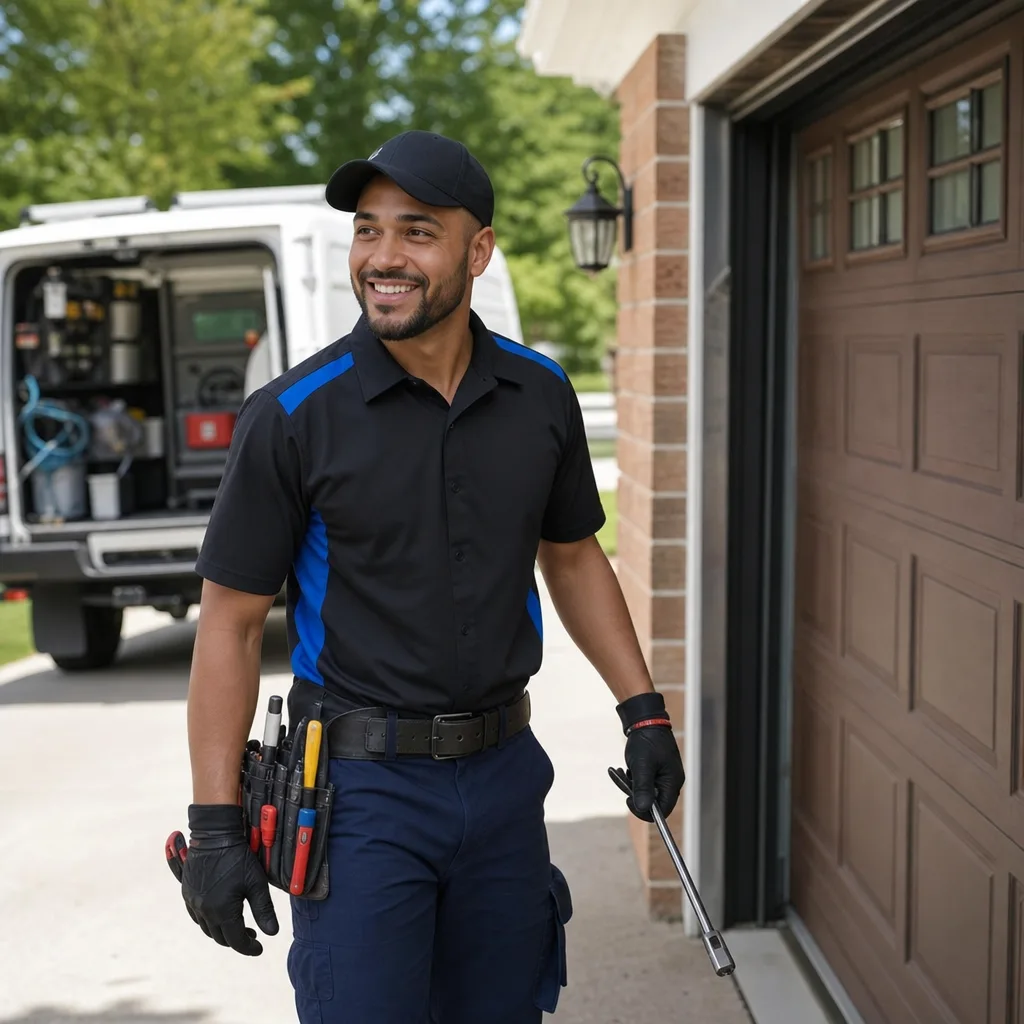
Our ADU team serves Denver and the surrounding established neighborhoods from Baker to Berkeley, Hilltop to Harvey Park, and the inner-ring suburbs that feed into the Denver permit system. We regularly work in Lakewood, Englewood, Wheat Ridge, and Arvada, where the ADU rules differ from Denver’s own ordinance but the construction process stays the same. Most Denver consultations happen within 48 hours of your call, and the full written scope follows within a week. See our ADU in Denver page for the complete service detail and pricing breakdown.
Serving Denver, CO - Our Local Coverage Area
We’re based in the Denver area and know this community well - see our ADU in Denver for a local example. Use the map below to see our service coverage - if you’re nearby, we can almost certainly help.
Frequently Asked Questions - ADU in Denver
What is an ADU, and is it legal in Denver?
An ADU, accessory dwelling unit, is a secondary housing unit on the same lot as a primary single-family home, with its own entrance, kitchen, bathroom, and sleeping area. Denver updated its zoning code in 2010 to allow ADUs in many residential zone districts, and the city has continued to adjust the ordinance since then. What is permitted on your specific lot depends on your zone district, and our parcel review tells you exactly what applies.
How long does an ADU project take in Denver?
A typical detached ADU in Denver takes 8 to 14 months from the first design conversation to final inspection, with 3 to 5 months of that spent on design and permitting before construction starts. A garage conversion usually moves faster, often 5 to 9 months total. The Denver permit review timeline is the variable that matters most, and we track it for you and keep the project file updated as the review moves.
How much does an ADU cost in Denver?
A garage or interior conversion in Denver runs roughly $80,000 to $190,000, while a new detached ADU of 400 to 600 square feet typically lands between $250,000 and $380,000 depending on site conditions, utility distance, and finish level. The largest cost drivers are sewer tie-in distance, electrical service capacity, and foundation requirements for your soil. Call (970) 725-6025 for a written estimate with line items matched to your specific parcel.
Do you service LiftMaster and Chamberlain openers in Denver ADUs?
Yes, we install and repair LiftMaster and Chamberlain openers in Denver ADU garages and carports, and we carry the common replacement parts on the truck. Safety sensor alignment, limit switches, and logic boards are the components we replace most often in these units. The brand and model are confirmed in the written estimate, and the photo report shows the work that was done.
Are you available for emergency ADU repairs in Denver?
Yes, every call to our Denver team is answered by a live person, 24/7, including weekends and holidays. For urgent issues like a failed water heater, a backed-up sewer line serving the ADU, or a door that will not secure, we dispatch from the Denver area with a named technician and a real arrival window. Call (970) 725-6025 and a person will handle the call directly.
What warranty comes with an ADU in Denver?
Every Haven brand is bound by the 365-Day Done Right Promise, which requires any work not done right to be made right within a year of completion, across all ten trades and every job size. The specific product warranties, such as window, door, opener, and roofing material warranties, are provided in writing before you sign. No warranty claim requires a debate; the photo record and the written scope define what was promised.
How do I prepare for an ADU consultation in Denver?
You do not need to prepare anything beyond an idea of how you want to use the unit. Bring the address, and our team pulls the zoning, utility records, and parcel history before the meeting. Having a rough budget in mind helps, but the written scope will show you what is possible at each price point, and the estimate is free whether you move forward or not.
Schedule Your ADU Service in Denver Today
A written price, a named technician, and a documented process are what you get when you work with a Haven brand. Our Denver ADU team is ready to walk your parcel, pull your zoning, and deliver a free written scope with dollar figures. Call (970) 725-6025 today. A live person answers, and the estimate costs nothing.
Written by Alan Brecker, founder of Haven, the standard behind ten independently owned and operated home-service brands since 1998.