
Damage Restoration in Denver: What It Costs and What to Expect
Damage restoration in Denver typically runs $150-$600 for common repairs, with full restoration projects ranging from $700-$2,200 depending on what was damaged and how far it spread. Most homeowners call us after a water leak, fire, or storm has already done visible harm, and they want two things: a straight answer about the cost and a crew that shows up when they say they will. Haven’s Damage Restoration brand delivers both. We’re part of a family of ten home-service brands held to the same five published clauses, so the price is on the page in dollars before anyone arrives, and every visit ends with photographic evidence of what we found. If you’re looking at damage right now, call (970) 725-6025 and a live person will answer.
What Our Damage Restoration Service Includes
Damage restoration is the process of returning a home to safe, livable condition after water, fire, smoke, mold, or storm damage. It’s not one trade; it’s a sequence of assessments, mitigations, and repairs. The Haven Standard applies to every step: the price is agreed before work starts, the technician is named before arrival, and photographic evidence documents what was found and what was done. Here’s what that looks like in practice, sub-service by sub-service.
Water Damage Restoration
Water damage in Denver homes often comes from frozen pipes in winter, failed water heaters, or the sudden downpours that hit neighborhoods like Baker and City Park West each summer. If you’re facing any of these issues, learn more about our Damage Restoration in Denver. The first 48 hours matter most; standing water migrates through drywall, wicks up into baseboards, and creates conditions mold needs to grow. Our process is to locate the source, stop it, extract the water, set drying equipment, and document moisture levels daily until the structure is dry. You get a drying log and photos at every visit, not a verbal “it’s dry now.”

Fire and Smoke Damage Restoration
Even a small kitchen fire leaves smoke residue that travels farther than the visible burn marks. Soot is acidic; left on surfaces, it etches glass, corrodes metal fixtures, and permanently bonds to painted walls. Our fire restoration work includes structural board-up where needed, soot and odor removal, content cleaning, and coordination of the rebuild. In Denver’s older housing stock, like the brick bungalows in Washington Park, we pay special attention to plaster walls and original woodwork, which respond differently to soot than modern drywall does.
Mold Remediation
Mold is a moisture problem with a fungal symptom. Denver’s dry climate means mold growth here is almost always tied to a specific leak or a past water event, not chronic humidity, but that doesn’t make it less serious when it appears. Our remediation follows a containment-first approach: the affected area is sealed, air is filtered, contaminated material is removed, and the remaining structure is treated and dried. You receive a written scope before work begins and photo documentation after, because the question every homeowner has after mold is “how do I know it’s actually gone?”
Storm Damage Restoration
Denver’s hail season runs from April through September, and it does real damage to roofs, siding, windows, and gutters. What homeowners often miss is the water that follows the impact: a cracked shingle or displaced flashing lets water in slowly, sometimes for months before a ceiling stain appears. Our storm restoration work starts with a documented assessment of what the storm actually did, followed by mitigation of any water that followed the damage, then restoration of the affected areas to their pre-loss condition. We work directly with your insurer if you file a claim and provide the photo evidence adjusters ask for.
Emergency Board-Up and Tarping
After a fire, a break-in, or a tree limb through a window, your home is exposed. Board-up and tarping stop further damage from weather, animals, or unauthorized entry while the restoration plan is being set. It’s a temporary measure, but it’s the one that determines whether a bad situation becomes a worse one. Our emergency response includes securing the structure, documenting the condition before and after, and providing a written scope for the restoration work that follows.
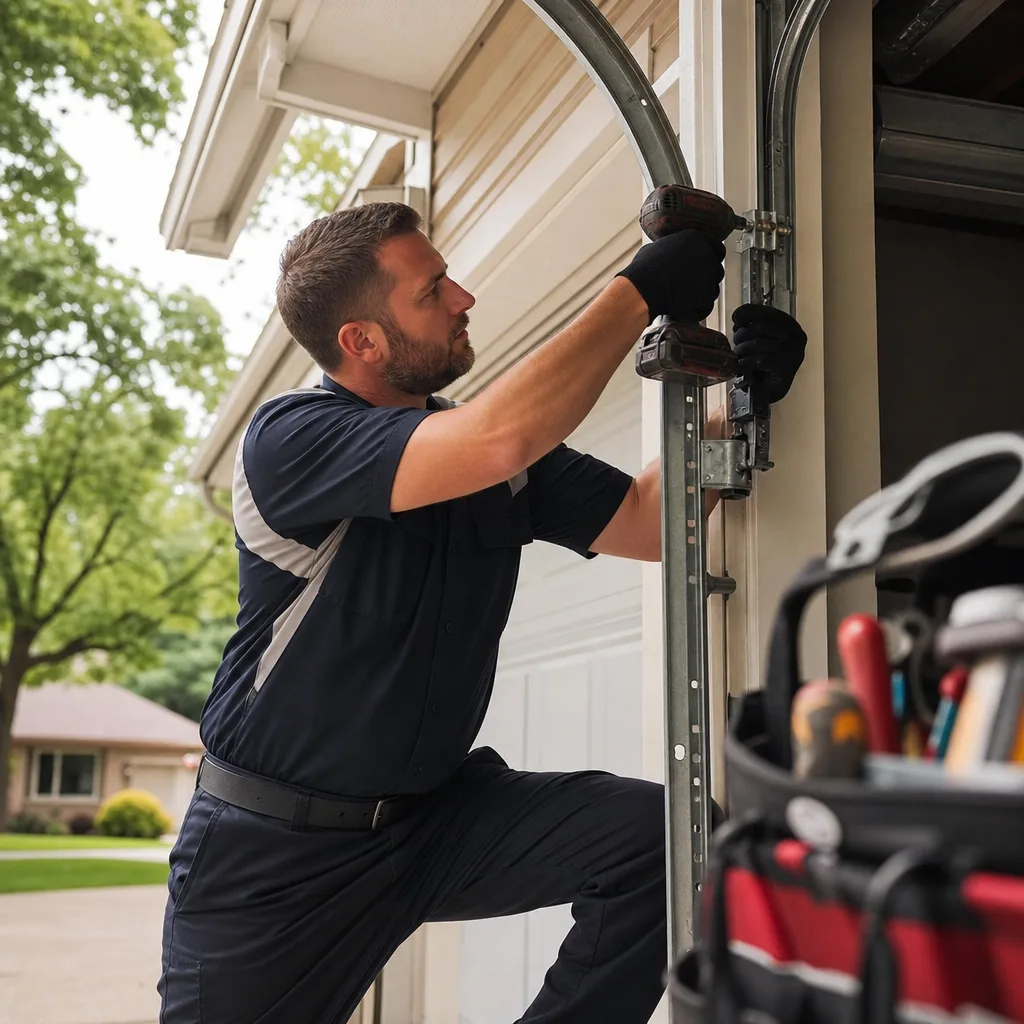
What happens when you call
- 1
A real person answersNo phone trees - you reach a local pro.
- 2
You get an upfront price rangeHonest numbers before anyone is dispatched.
- 3
A background-checked tech heads outLicensed & insured, dispatched right away.
- 4
You approve before work beginsNothing starts until you say go.
Brands We Service for Damage Restoration
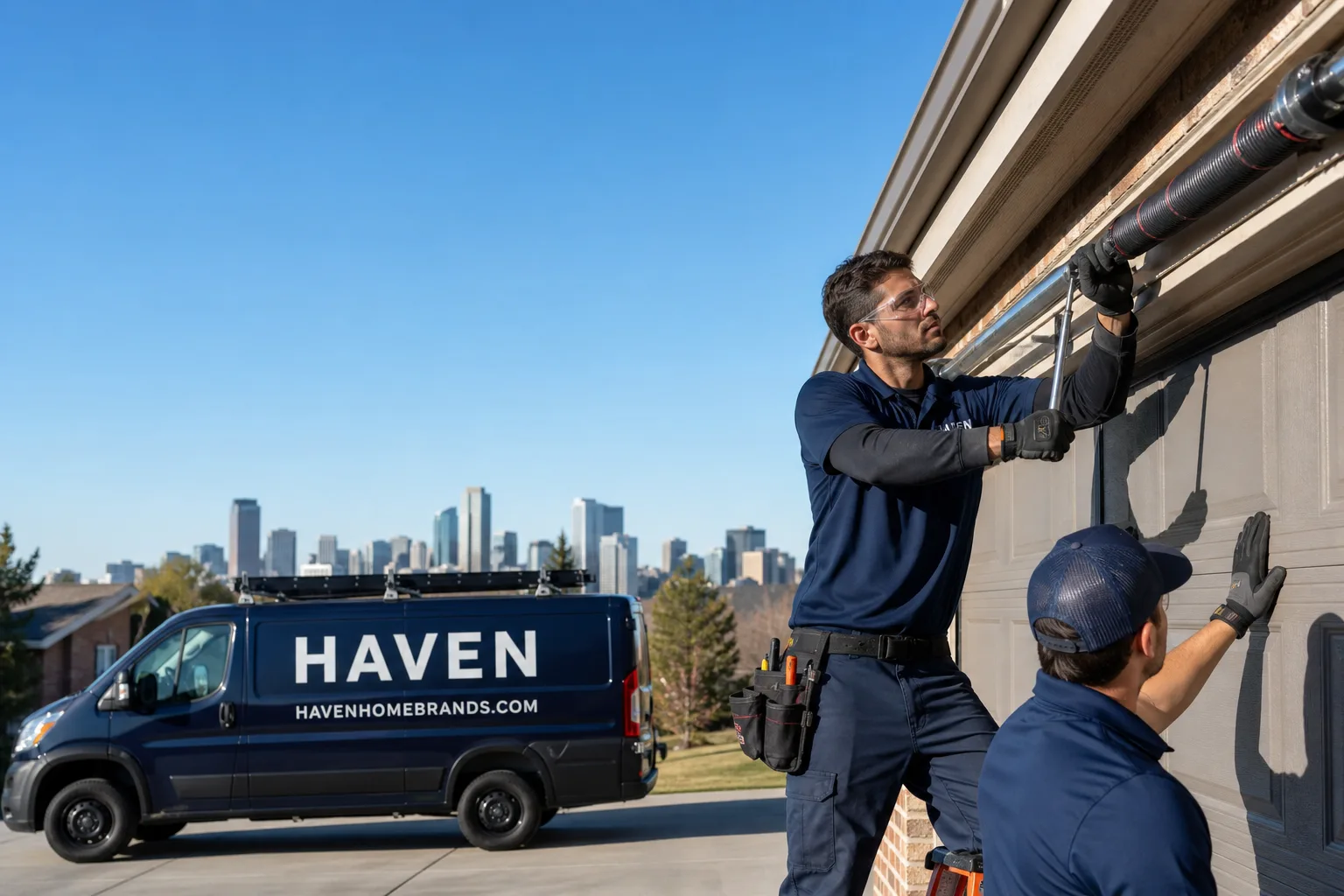
In damage restoration work, the “brand” that matters most is the home’s construction, but equipment and components come into play constantly: water heaters that failed, HVAC systems that need cleaning after smoke exposure, garage doors and openers affected by storm or fire. We’ve worked extensively with Craftsman and Chamberlain garage door openers on homes where fire or water damaged the door system, and those units are common in Denver’s single-family garages. We stock the common OEM parts and know the quirks of these models, which means faster turnaround on a restoration that touches the garage.
LiftMaster openers appear frequently in newer Denver builds and in the attached garages of homes in Stapleton and Lowry. When a restoration project includes replacing or repairing a garage door opener, the work is quoted in writing before it’s scheduled, and the technician arrives with the right parts for the model on the job. Whether you have a Craftsman, Chamberlain, LiftMaster, or any other make, the process is the same: the price is on the page, the person is named, and the work is documented with photos.
Key Takeaways: Damage Restoration in Denver
- Cost reality: Water, fire, and storm restoration in Denver typically runs $150-$600 for targeted repairs; larger projects range $700-$2,200.
- Speed matters: Water damage compounds by the hour, and the first 48 hours determine whether mold becomes part of the conversation.
- Documentation is not optional: The Haven Standard requires photographic evidence of what was found and what was done, on every visit.
- You’ll see the price before work starts: No estimate-on-arrival surprises, no upsell at the door. It’s in the family’s five published clauses.
- Denver-specific factors: Hail season (April-September), frozen-pipe winters, and older brick housing stock all shape how restoration is done here.
 Before
 After
AfterSigns You Need Damage Restoration Right Now
- Water stains on ceilings or walls. A brown or copper-colored stain means water has already saturated the material above it. In Denver, this often traces back to hail damage on the roof or a slow pipe leak inside a wall. The stain you can see is usually smaller than the area that’s actually wet.
- A musty smell that doesn’t go away. That smell is microbial growth, and it’s feeding on something damp you haven’t found yet. In Denver homes with finished basements, the source is often a foundation crack or a failed sump pump that went unnoticed during a dry spell.
- Visible mold on drywall, baseboards, or around windows. Mold on a surface means the material behind it is compromised. Cleaning the visible mold without addressing the moisture source is a temporary fix that usually gets more expensive within a year.
- Peeling paint or bubbling drywall tape. This is what water does when it’s trapped behind a surface. It’s a sign the damage is weeks or months old, not hours old, and the affected area should be opened and dried properly.
- After a fire, any soot on surfaces more than a few feet from the flame. Smoke travels through the entire structure, not just the room where the fire happened. Soot residue on walls, in ductwork, or on fabrics in other rooms means the smoke damage is structural, not cosmetic, and it needs professional restoration.
Our Damage Restoration Process - Step by Step
Restoration has an order of operations. Skip a step and you’re redoing work later at a higher cost. Here’s the sequence that every Haven restoration project follows.
Step 1: Assessment and Documentation
Every project starts with a documented assessment. The technician arrives with a named arrival window (Clause 2 of the Haven Standard), walks the property, uses moisture meters, thermal imaging where applicable, and creates a written scope. You’ll see photos of what was found before any recommendation is made. The assessment leads to a written price, agreed before any work begins - Clause 1.
Step 2: Mitigation and Containment
Mitigation stops the damage from spreading. For water, that means extraction and drying equipment. For mold, containment barriers and air filtration. For fire, board-up and soot stabilization. This step protects what’s still good, which directly controls the size of the final bill.
Step 3: Removal of Damaged Materials
Materials that can’t be dried or cleaned are removed: wet drywall, saturated insulation, contaminated carpet, charred framing. The removal is surgical, not wholesale - we cut to the point of structural integrity and document the boundary between what was removed and what was kept. In a 1920s Denver bungalow, preserving original trim and plaster matters; the removal scope respects that.
Step 4: Drying, Cleaning, and Treatment
This is where the restoration crosses from demolition into rebuilding. Structures are dried to documented moisture levels, remaining surfaces are cleaned and treated, and the air is addressed - especially after smoke, where odor lives in ductwork and building cavities, not just on surfaces. You’ll receive moisture logs, before-and-after photos, and a written record of every material used.
Step 5: Restoration and Final Documentation
The final step puts the home back together: drywall, paint, trim, flooring, fixture reinstallation. The finish work is done by the same project scope and same crew that started the job, not handed off to an unknown subcontractor. When the job is done, you get the final photo report and the 365-Day Done Right Promise: if it’s not done right, it’s made right, for a full year.
How Much Does Damage Restoration Cost in Denver?
A typical water damage restoration job in Denver runs $150-$600 when the affected area is small and caught early; a full fire restoration or large water loss can range from $700-$2,200 or more depending on the square footage and materials affected. These are the ranges we publish because the Haven Standard requires it - the price is on the page in dollars before anyone arrives, not a “call for a quote” deflection.
What moves the number? Four things. First, the size of the affected area. Second, the age and construction of the home - plaster walls in a 1920s Congress Park home cost more to repair than drywall in a 2015 build in Green Valley Ranch. Third, the category of damage; mold remediation carries containment costs that a simple water extraction doesn’t. Fourth, whether the damage touched structural materials or stayed cosmetic. The estimate you get before work starts is the price you pay, and if the scope changes, the change is quoted and agreed before anything extra is done. No upsell at the door. That’s Clause 5.
A free estimate includes the on-site assessment, the written scope, and the photo documentation. You’ll know exactly what’s included, what’s not, and what the numbers are before you commit to anything. Call (970) 725-6025 to schedule one.
Damage Restoration in Denver - Our Service Area
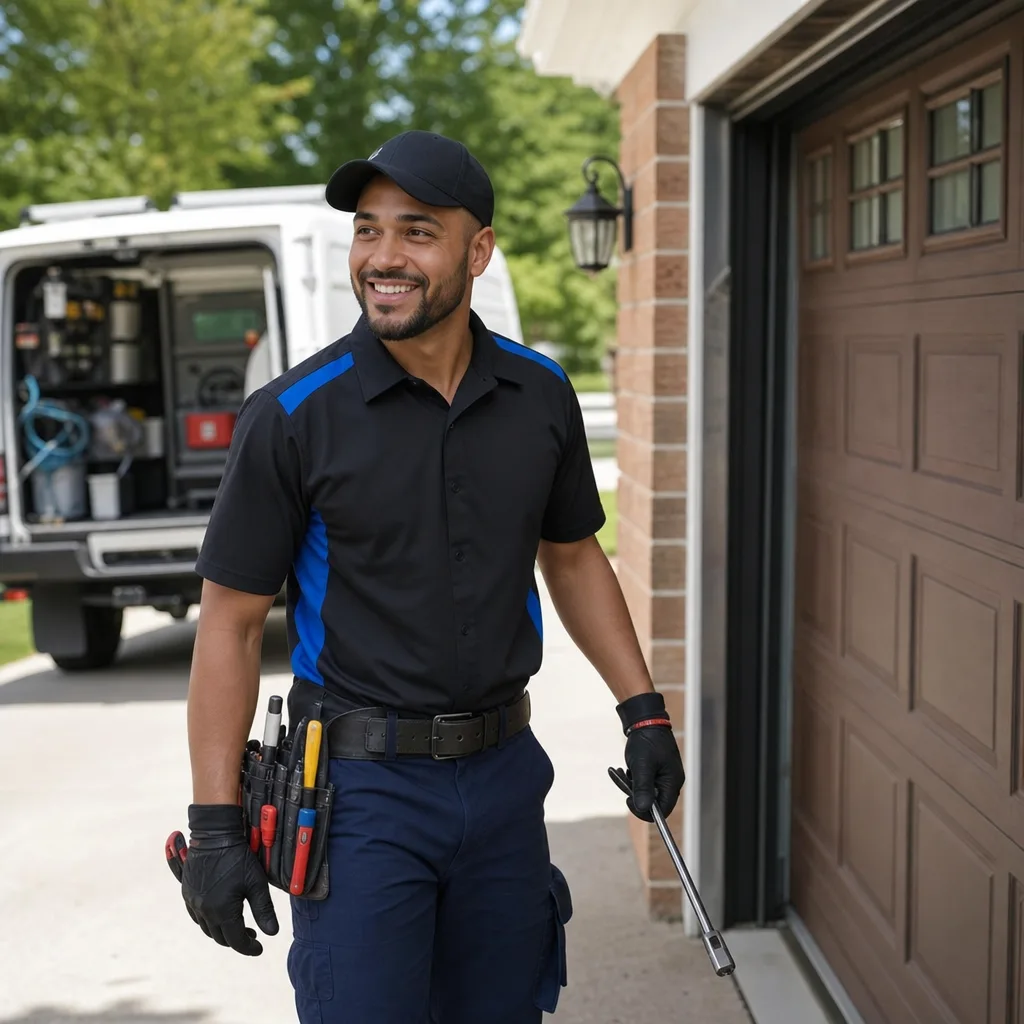
We serve homeowners across Denver and the surrounding metro, from home bases in Cherry Creek to the established neighborhoods of Washington Park, Park Hill, Sloan’s Lake, and the newer communities in Stapleton. Typical response for non-emergency assessments is within one business day; emergency board-up and water extraction are dispatched immediately. If you’re in Denver and looking at damage you didn’t have yesterday, call us. The person who answers can book the visit, and the visit starts with a written scope, not a sales pitch.
Serving Denver, CO - Our Local Coverage Area
We’re based in the Denver area and know this community well. Use the map below to see our service coverage - if you’re nearby, we can almost certainly help.
Frequently Asked Questions - Damage Restoration in Denver
Damage restoration is the process of returning a home to safe, livable condition after water, fire, smoke, mold, or storm damage. It includes assessment, mitigation to stop further damage, removal of compromised materials, drying and treatment, and rebuilding the affected areas. The goal is to restore the home to its pre-loss condition, not just patch what’s visible.
Small water damage jobs, like a single-room extraction and drying, typically take 3 to 5 days including drying time. Fire restoration usually runs 2 to 6 weeks depending on the rebuild scope. Mold remediation of a contained area is commonly 5 to 10 days. You’ll get a timeline in writing as part of your estimate before work begins.
Targeted restoration work in Denver typically runs $150-$600, while larger projects range from $700-$2,200 depending on the affected square footage and materials. The exact price for your job is quoted in writing before any work starts, and it’s the price you pay. Call (970) 725-6025 for a free on-site estimate with full documentation.
Yes, we service Craftsman and Chamberlain garage door systems that have been affected by fire, water, or storm damage. We carry common OEM parts for these brands, which means the garage portion of your restoration doesn’t wait on shipping. Whether the opener needs repair or replacement, the work is quoted in writing before it’s scheduled.
Yes. Water extraction, board-up, and tarping are dispatched immediately when you call. Every call to a Haven brand is answered by a live person, 24/7, and that person can book the emergency response directly. Call (970) 725-6025 any time, day or night.
Every Haven brand operates under the 365-Day Done Right Promise: if any work is not done right, it’s made right, for a full year. This is the same clause whether the job is a water extraction or a full restoration rebuild. The warranty is not a phone call and a hope; it’s a published condition of carrying the Haven name.
Clear a path to the affected area, move small items away from the immediate damage zone, and if you have pets, plan to keep them in a separate room during the visit. You don’t need to move furniture or tear anything out - the technician will assess what needs to happen. The most important preparation is making the call sooner rather than later, because water damage compounds by the hour. Call (970) 725-6025 and we’ll walk you through the rest.
Schedule Your Damage Restoration Service in Denver Today
Damage doesn’t wait, and neither should the assessment. Call (970) 725-6025 now and speak with a live person, 24/7, who can book your visit. Your estimate is free, the price is in writing before work starts, and every step is documented with photos. If it’s not done right, it’s made right - for a full year. That’s Damage Restoration in Denver under the Haven Standard.
Written by Alan Brecker, holding company leadership at Haven, serving homeowners across all 50 U.S. states since 1998.